
Plate Straightening Machine
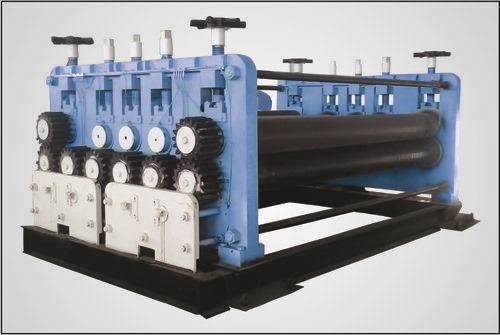
A plate straightening machine is designed to correct the shape of metal plates that may have warped or bent during manufacturing processes or handling. These machines are essential in industries such as metal fabrication, construction, and automotive, where precise flatness is crucial for further processing. Here’s an overview of its features, applications, and benefits:
Benefits:
- Improved Quality: Produces flat plates that are essential for maintaining the quality of final products.
- Enhanced Efficiency: Reduces the time and effort required to manually straighten plates, streamlining production processes.
- Versatility: Capable of handling a variety of plate sizes and materials, making it suitable for different applications.
- Cost-Effectiveness: Prevents waste by allowing the use of previously bent or warped materials, reducing the need for new sheets.
Features:
Straightening Rollers:
- Utilizes multiple rollers arranged in a specific configuration to apply pressure and flatten the plates.
Adjustable Settings:
- Operators can adjust the pressure, roller spacing, and other parameters based on the thickness and material of the plates.
Hydraulic or Mechanical Operation:
- Can be powered by hydraulic systems for precise control or mechanical systems for simpler operations.
Digital Control Systems:
- Many modern machines feature digital controls for easy monitoring and adjustment of settings.
Safety Features:
- Equipped with safety guards and emergency stops to protect operators during operation.
Applications:
- Metal Fabrication: Used in workshops that require flat metal plates for construction or assembly.
- Automotive Industry: Straightens components that need to meet strict dimensional tolerances.
- Shipbuilding and Construction: Ensures that large metal sheets used in structures are flat and ready for installation.